
Los Angeles · Sauna Builder Services
Traditional Saunas
Finnish-style hot rooms built for real löyly, with electric or wood-fired heaters, proper stone mass and ventilation that actually moves air.
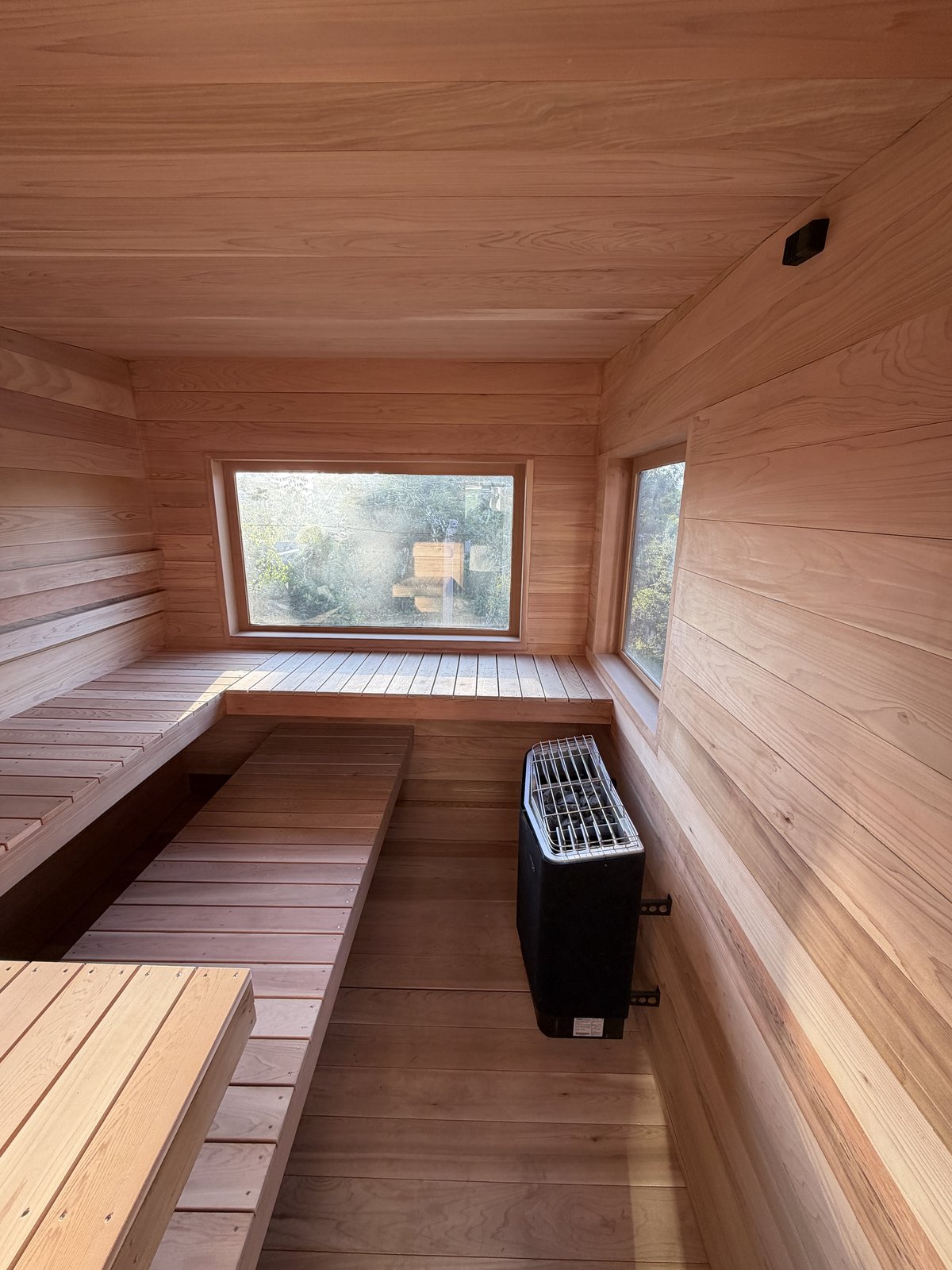
Traditional Saunas · Los Angeles
Traditional Saunas Done Right
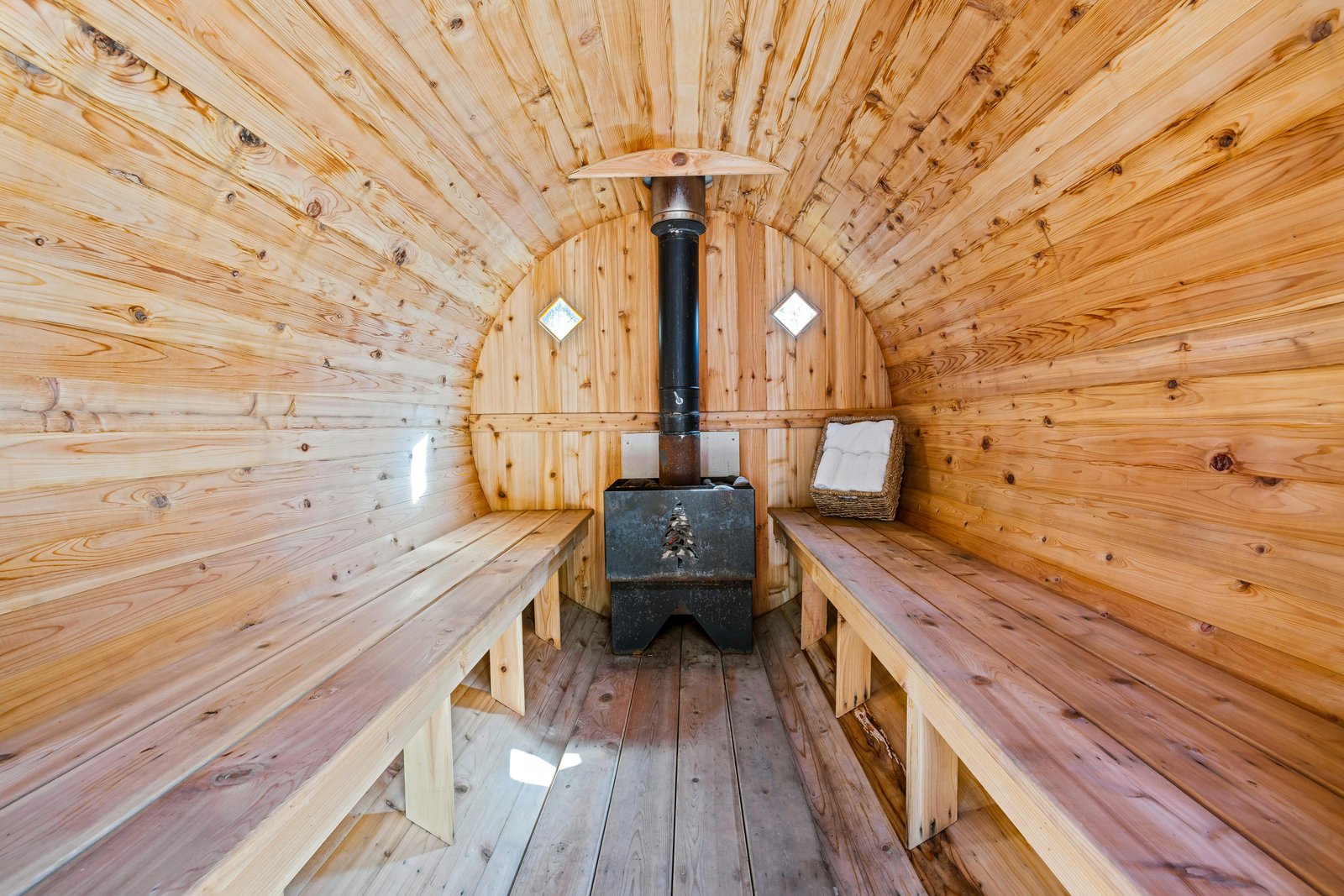
A traditional sauna, sometimes called a Finnish sauna or a dry sauna, heats the air with a stove full of stones. Pour water over those stones and you get löyly, the burst of steam that makes the room feel alive. As a Finnish sauna builder we care about the things that produce it: enough stone mass to hold heat through repeated ladlefuls, an intake vent below the heater and an exhaust on the far wall so the air actually circulates, benches set high enough to put your head in the hot layer, and solid untreated wood everywhere the heat touches. We install electric sauna heaters from every major brand and wood-fired stoves where the site allows a flue. A wood-fired sauna is the purist option and worth the effort if you have the outdoor space for it. An electric sauna is what most Los Angeles homes end up with, and with a good heater and correct venting it is indistinguishable in use.
How We Work
From the first design consult to the first löyly, one project manager runs your build.
1. Stove selection and stone mass
We size the heater to the cubic volume of the room and add for glass and uninsulated walls. Then we look at stone capacity, because a heater with a large stone load holds temperature through five ladles of water where a small one drops and sulks. Electric or wood-fired is decided here.
2. Shell, venting and flue
Closed-cell insulation, a continuous foil vapor barrier, an intake vent under or beside the heater and an adjustable exhaust on the opposite wall. For wood-fired stoves we install the double-wall flue, the roof or wall penetration and the heat shielding, and pull the combustion permit.
3. Bench build and curing burn
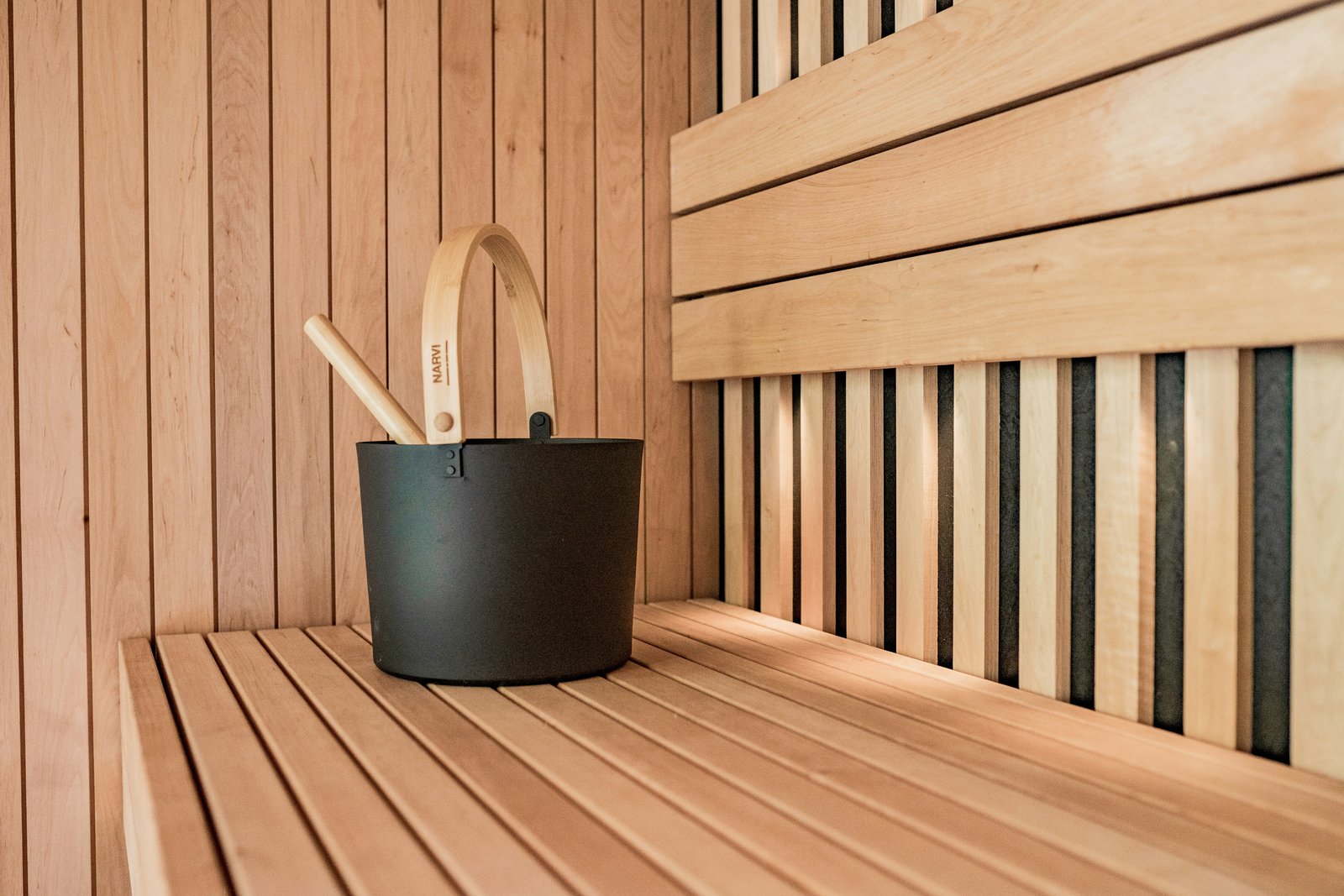
Benches set to your ceiling height in thermo-aspen or abachi so they stay cool to sit on, backrests fitted, duckboard flooring laid if you want it, then a long first burn to cure the wood and burn off the heater coating. We hand over the bucket, ladle, thermometer and hygrometer at the walkthrough.
When You Need Traditional Saunas
Traditional is the right choice when:
- You want steam. Only a stone-loaded heater gives you löyly. Infrared cannot do it and steam rooms give you something quite different.
- You grew up with a real sauna. Anyone who has used a proper Finnish room can tell within thirty seconds whether the venting and bench height are right.
- You want both wet and dry. Run it dry at 190 degrees or pour water for humidity. One room, two experiences, entirely under your control.
- You have outdoor space for wood-fired. A wood-fired sauna with a stainless flue and a stack of split oak is a different order of experience, and it works during a power outage.
- You entertain in it. Traditional rooms scale comfortably to six or eight bathers, where infrared cabins mostly do not.
- You want the health protocol. Most of the published research on sauna use and cardiovascular outcomes was done on traditional Finnish saunas at traditional temperatures.
Tell us the room and whether you want electric or wood-fired and we will spec the heater and quote the build. Call: (818) 873-4902
What Affects the Cost of Traditional Saunas
Traditional builds cost more than infrared, mostly on the electrical and the shell. What drives it:
- Heater output and stone capacity. A basic 6kW wall heater is the value end. Floor-standing units with 200 pounds of stone, and air-circulation heaters with humidity control, are the top.
- Electric versus wood-fired. Wood-fired removes the heavy circuit but adds a flue, a roof or wall penetration, heat shielding and a combustion permit.
- Panel capacity. A 8 to 12kW heater needs 40 to 60 amps at 240V. Older Los Angeles services often need a subpanel or an upgrade first.
- Room volume. Every extra cubic foot needs more heater, more wood and more insulation, all at once.
- Bench material. Thermo-aspen and abachi cost more than cedar for benches and are worth it, because they do not scald bare skin at 190 degrees.
- Ventilation done properly. Adjustable intake and exhaust with a mechanical assist where the layout demands it is a small line item that decides how the room feels.
Quoted flat-rate after the site visit, with heater, stones, wiring, venting and permit included.
Frequently Asked Questions
What temperature should a traditional sauna reach?
A properly built Finnish room runs 175 to 195 degrees at the top bench, with humidity from around 10 percent dry up to 30 percent after a few ladles on the stones. If your room struggles past 160, the usual culprits are an undersized heater, missing or discontinuous vapor barrier, uninsulated exterior walls, or a large glass door that was never accounted for in the heater sizing.
Electric or wood-fired?
Electric for almost every indoor build and most backyard builds. It heats on a timer, needs no fuel storage and produces no smoke, which matters on small Los Angeles lots. Wood-fired for detached outdoor builds where you have clearance for a flue, somewhere to keep split wood dry, and a genuine preference for the ritual. Wood-fired also keeps working when the power is out, which some clients value more than the convenience they give up.
What is löyly and why does it need a specific heater?
Löyly is the wave of steam and heat that rolls off the stones when you pour water on them. Producing it repeatedly needs stone mass, because each ladle pulls heat out of the stones. A small heater with 20 pounds of stones gives you one good ladle and then goes flat. A heater carrying 90 to 200 pounds gives you a full session. This is the single spec most people overlook when they buy a heater themselves.
How is a dry sauna different from a steam room?
A dry sauna runs hot and dry, 175 to 195 degrees at 10 to 20 percent humidity, on a stone-loaded heater in a solid wood room. A steam room runs cool and saturated, 110 to 120 degrees at 100 percent humidity, fed by a steam generator into a fully tiled and waterproofed enclosure. They feel completely different and they are built completely differently. We install both.
How often should I use a traditional sauna?
The observational research most people cite found the strongest associations at four or more sessions per week, 15 to 20 minutes each. That is a useful benchmark, though the honest answer is that the sauna that gets used regularly is the one that heats quickly and sits somewhere convenient, which is a design question as much as a health one.
Sauna projects rarely stay in one lane. Homeowners who come to us for traditional saunas often fold Steam Saunas or Barrel Saunas into the same build, and Indoor Saunas is a common follow-up a year or two down the line. Keeping all of it on one permit and one flat-rate quote from a custom sauna builder costs considerably less than running each piece as a separate job. Call: (818) 873-4902
Planning a sauna build in Los Angeles?
Tell us about your space and what you're imagining and we'll send a 3D concept and a flat-rate quote within a few business days. Free estimate, no obligation.
Or call us now: (818) 873-4902