
Los Angeles · Sauna Builder Services
Infrared Saunas
Full-spectrum and far-infrared cabins installed in Los Angeles homes, including builds that fit where a traditional hot room will not.
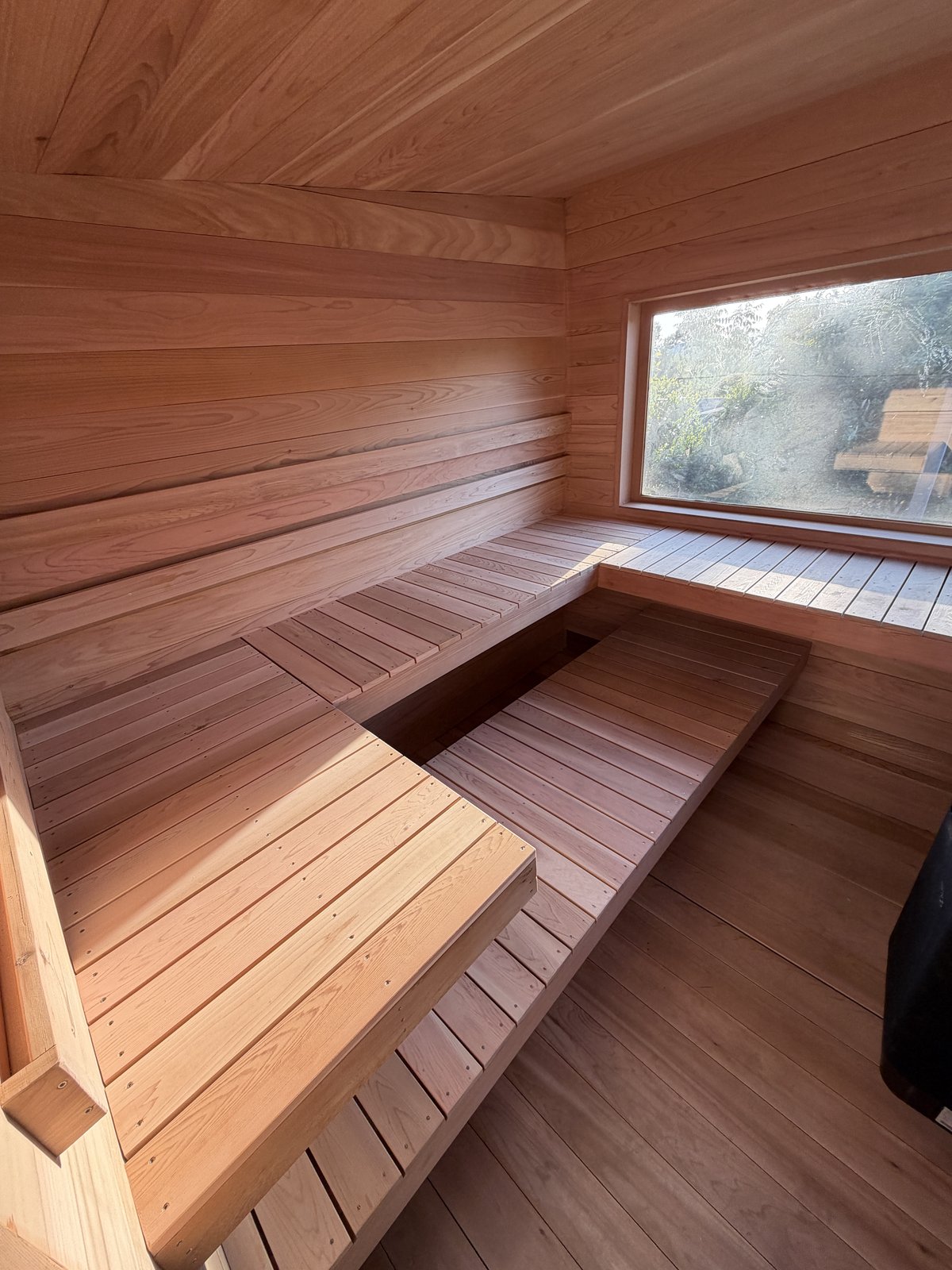
Infrared Saunas · Los Angeles
Infrared Saunas Done Right
An infrared sauna warms your body directly with radiant emitters rather than heating the air around you. The room sits at 120 to 150 degrees instead of 190, sessions run longer and gentler, and the electrical load is far lighter, which is why infrared works in apartments, upstairs bedrooms and homes where the panel cannot support a large heater. We install far-infrared, near-infrared and full-spectrum systems, both as prefabricated cabins and as emitter panels built into a custom cedar or hemlock room. Where clients want both experiences we build a hybrid: a traditional heater for real löyly on the weekend, infrared panels behind the backrests for a 40-minute session on a weeknight. The build details still matter. Emitters have to face the body rather than the wall, the controls need to sit where you can reach them from the bench, and the room still needs proper ventilation.
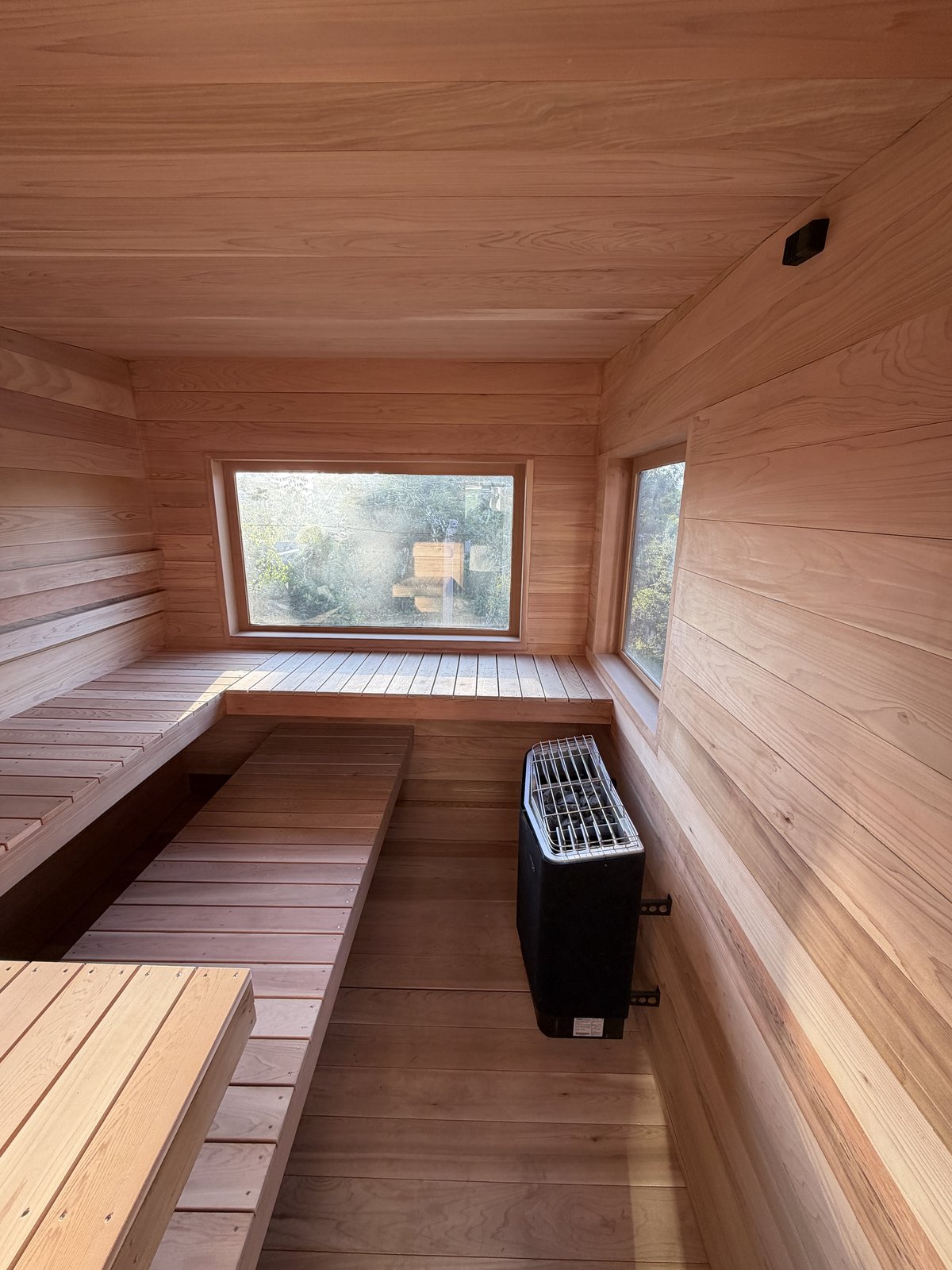
How We Work
From the first design consult to the first löyly, one project manager runs your build.
1. Pick the emitter type and the room
Far-infrared is the gentle, long-session standard. Near-infrared adds a shorter wavelength for surface tissue. Full-spectrum covers both. We walk the space, check your circuit availability, and decide between a prefabricated cabin and a built-in panel installation.
2. Electrical and space prep
Most infrared cabins run on a dedicated 20-amp 120V circuit, and larger full-spectrum units need 240V. We run the circuit, level and prep the floor, and confirm clearances so the cabin sits flat and the panels get the airflow behind them that they need.
3. Assembly, calibration and handover
The cabin is assembled or the panels are set into the wall cavity, the control head is mounted at bench height, and we run a full heat cycle to confirm every emitter is drawing correctly. You get a session guide and a cleaning routine at handover.
When You Need Infrared Saunas
Infrared is usually the better choice when:
- Your panel cannot take a big heater. Many infrared cabins run on a single dedicated 120V circuit, which sidesteps the panel upgrade a 8kW traditional heater would force.
- You want longer, gentler sessions. At 130 degrees you can sit comfortably for 40 minutes, which suits people who find a 190-degree Finnish room too intense.
- The sauna is going upstairs or into an apartment. Lighter units, lower temperatures and simpler venting make infrared far easier to place in a multi-storey or leased space.
- You want it running quickly. Infrared reaches session temperature in 10 to 15 minutes, against 30 to 45 for a traditional room.
- You are recovering on a schedule. Athletes who want daily post-training sessions tend to use an infrared room more consistently than a traditional one, purely because the warm-up is shorter.
- You want both kinds of heat. A hybrid build puts a traditional heater and infrared panels in the same custom room, so you are not locked into one experience.
Tell us the room, the floor it is on and what is in your panel and we will tell you which system fits. Call: (818) 873-4902
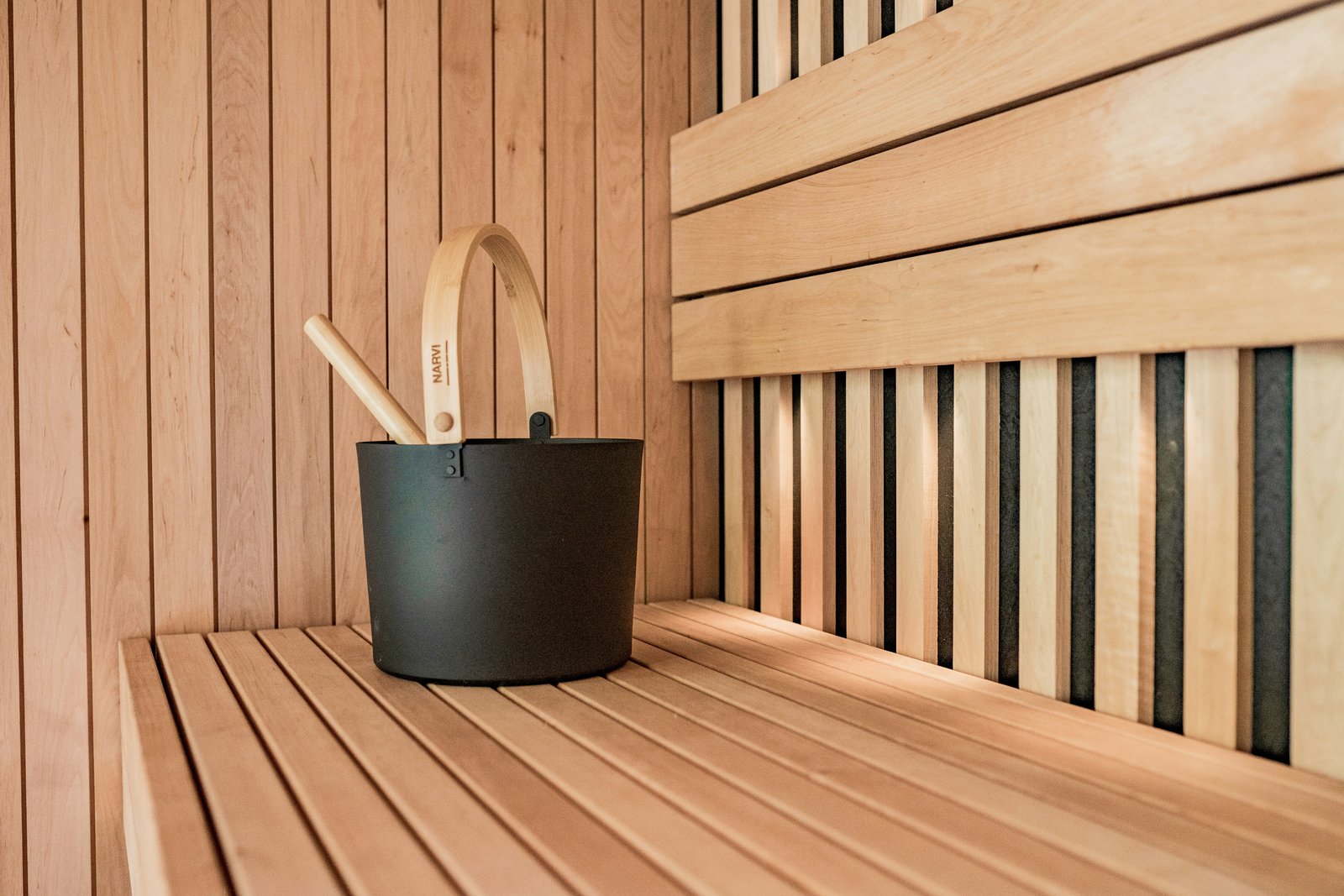
What Affects the Cost of Infrared Saunas
Infrared pricing is generally lower than traditional because the electrical and the shell are simpler. What moves it:
- Cabin versus built-in. A prefabricated cabin is the value option. Panels built into a custom cedar room cost more and look considerably better.
- Emitter type. Far-infrared only is the entry point. Full-spectrum systems with near and mid emitters are the premium tier.
- Number of seats. One and two-person cabins are the most common. Four-person units need more emitters and usually a 240V circuit.
- Circuit availability. A nearby 120V circuit with capacity is cheap. A new home run, or a 240V circuit for a large unit, is a real line item.
- Low-EMF construction. Shielded low-EMF and low-ELF emitters cost more and are worth asking about if that matters to you.
- Interior upgrades. Chromotherapy lighting, Bluetooth audio, glass fronts and upgraded wood all add.
Most infrared installs are quoted flat-rate and finished in one to three days on site.
Frequently Asked Questions
How do traditional saunas compare to modern infrared saunas?
A traditional sauna heats the air, typically to 170 to 200 degrees, and you can pour water on the stones for steam, which is the löyly that defines a Finnish sauna. An infrared sauna leaves the air at 120 to 150 degrees and warms your body directly with radiant emitters, so it feels much milder and there is no steam. Traditional gives you the classic experience, the ritual and the option of wet or dry heat, at the cost of a bigger electrical service and a longer warm-up. Infrared gives you shorter warm-up, lower running cost, an easier install and gentler sessions. Neither is a replacement for the other, which is why we build hybrids for clients who want both.
Does an infrared sauna need a special circuit?
Almost always a dedicated one, though usually a modest one. Most one and two-person cabins run on a dedicated 20-amp 120V circuit. Three and four-person full-spectrum units generally need 240V. What matters is that the circuit is dedicated, because sharing it with lights or a laundry outlet leads to nuisance trips.
Can you install infrared in an apartment or a second-floor room?
Yes, and it is where infrared shines. The units are light, the temperatures are low enough that the surrounding construction does not need rebuilding, and the electrical demand is small. We still confirm floor loading for larger cabins and make sure there is clearance behind the unit for airflow.
How long does an infrared session take?
Preheat is 10 to 15 minutes and a typical session is 30 to 45 minutes. Because the air stays comfortable you can stay in far longer than in a traditional room, and most people find a longer, milder session easier to make into a daily habit.
Can I add infrared to a sauna I already have?
Often, yes. If the room has accessible wall cavities we can retrofit emitter panels behind the backrests and add a separate control, turning an existing traditional room into a hybrid. We check the wiring capacity and the wall construction first, because panels need to be mounted into the framing rather than surface-fixed to the paneling.
Sauna projects rarely stay in one lane. Homeowners who come to us for infrared saunas often fold Traditional Saunas or Steam Saunas into the same build, and Barrel Saunas is a common follow-up a year or two down the line. Keeping all of it on one permit and one flat-rate quote from our full range of sauna services costs considerably less than running each piece as a separate job. Call: (818) 873-4902
Planning a sauna build in Los Angeles?
Tell us about your space and what you're imagining and we'll send a 3D concept and a flat-rate quote within a few business days. Free estimate, no obligation.
Or call us now: (818) 873-4902